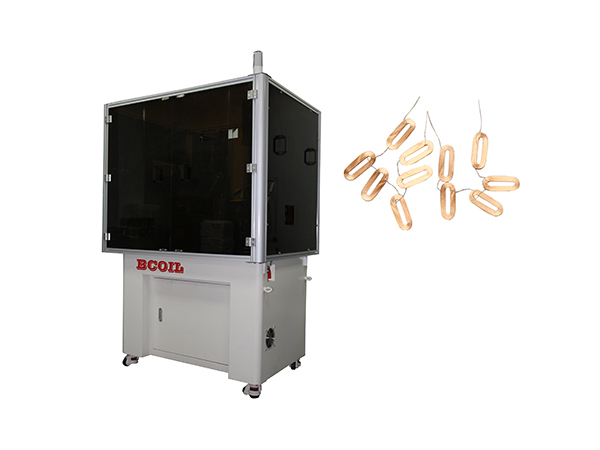
Electromagnetic coils are the core basic components of various electronic components. The traditional manual winding method is inefficient, with uneven turns, unstable tension, and poor coil consistency, making it difficult to meet the high-precision and large-scale production requirements of modern electronic products. The coil winding machine, through automatic control, completes processes such as loading the frame, winding the wire, arranging the wire, cutting the wire, and finishing, significantly improving the processing efficiency and product yield of coils. It is a key automated equipment in the production process of inductors, transformers, and electromagnetic valve coils.
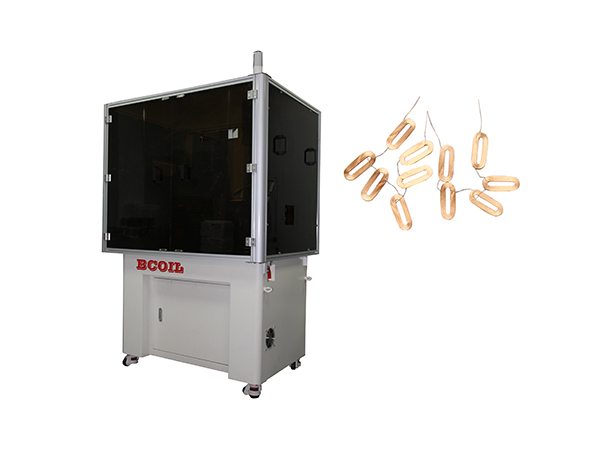
The coil winding machines are diverse in types, and can be classified into single-axis, multi-axis, and fully automatic models according to product requirements. They are suitable for different wire materials such as enameled wire and aluminum wire, and can process fine and micro coils to thick wire power coils. The application fields are very extensive, including power transformers, common mode inductors, filter coils, relay coils, sensor coils, motor stator coils, charger inductors, medical equipment electromagnetic components, security electronic components, etc. The equipment not only supports small-batch sample prototyping but also can meet continuous production on the production line.
High-performance winding machines can precisely control the number of winding turns, the spacing of the wires, and the tension of the wire material, avoiding problems such as skewed wire arrangement, collapsed wires, and broken wires, ensuring that the electrical parameters of each coil remain consistent. The equipment can be used independently or be combined with tooling fixtures to connect with the loading and unloading mechanism to form a semi-automated production line, helping electronic manufacturing enterprises reduce reliance on manual labor, reduce quality fluctuations caused by manual operations, and improve the standardization level of electromagnetic component production.